

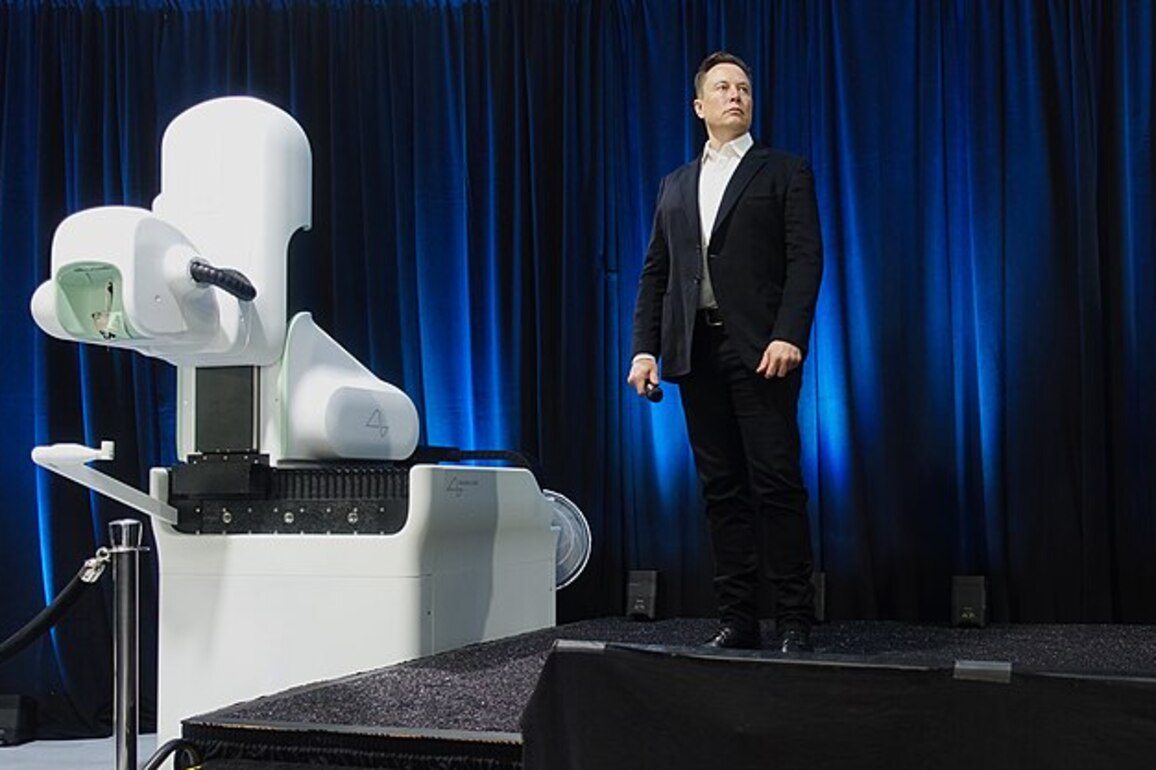
BENGALURU, India: After moving from laboratory testing to human use, Neuralink is preparing its next leap: large-scale manufacturing and fully automated implantation.
Elon Musk said that the brain–computer interface company plans to begin "high-volume production" of its implants in 2026 and shift to an entirely automated surgical procedure. Musk shared the update in a post on X.
Neuralink did not immediately respond to a request for comment.
The coin-sized implant is designed to help people with conditions such as spinal cord injuries by enabling direct communication between the brain and computers. The company's first patient has demonstrated the technology by playing video games, browsing the internet, posting on social media, and moving a cursor on a laptop using only thought.
Neuralink began human trials of its device in 2024 after addressing safety concerns raised by the U.S. Food and Drug Administration, which had initially rejected the company's application in 2022.
In September, Neuralink said that 12 people worldwide with severe paralysis had received its brain implants and were using them to control digital and physical tools through thought. The company also secured US$650 million in a funding round in June, bolstering its push toward broader clinical testing and commercial readiness.